Do it Yourself Wills - Don’t
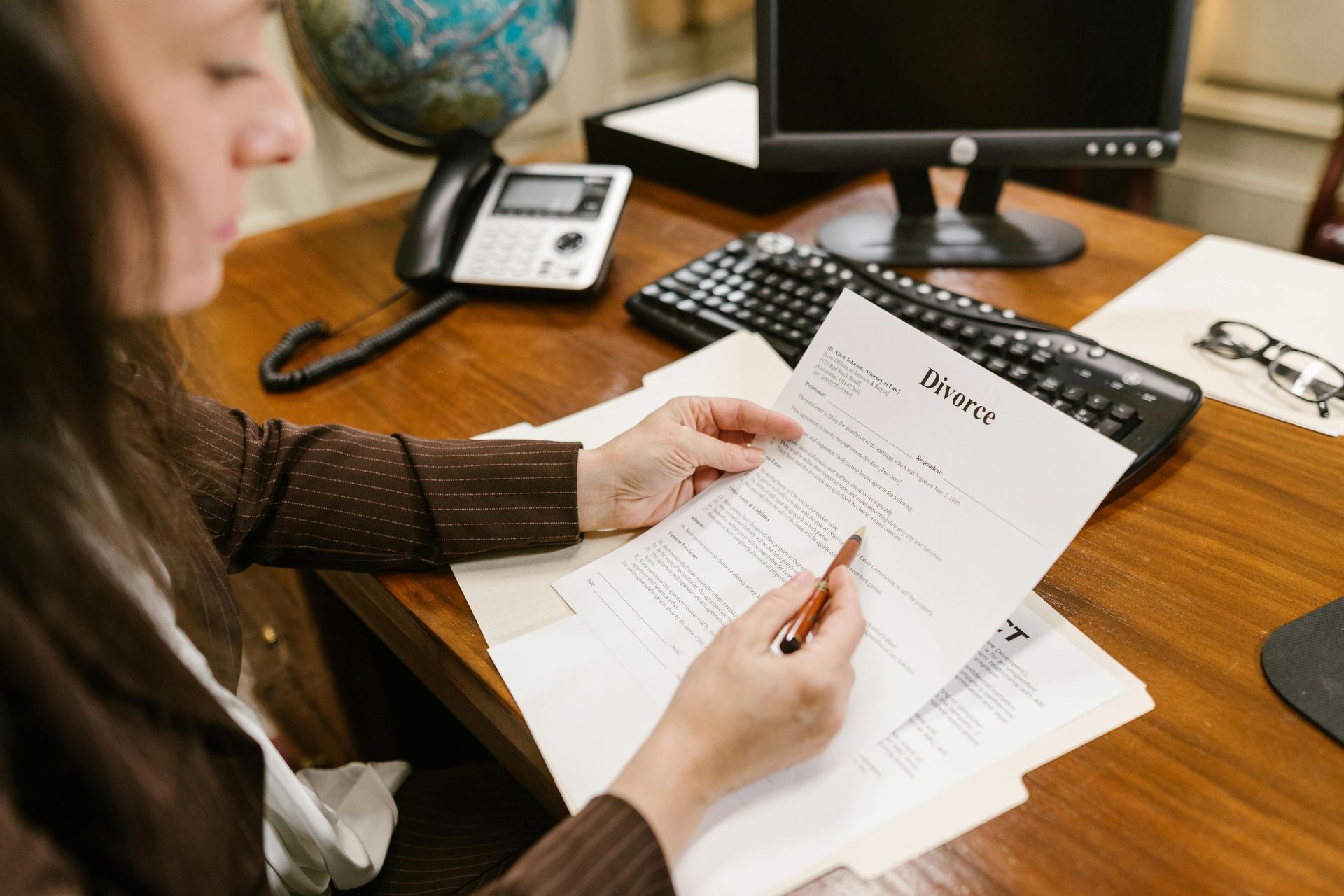
A colleague of mine who had more than 50 years experience in the field of wills, trusts and estates once recounted to me his exchange with a prospective client who asked how good his will would be if he wrote it himself using online software. My colleague’s answer was that it would be a good will for an attorney because the attorney would make a lot of money cleaning up the mess after the client’s death.
That may sound cynical, but there is a lot of truth in it. I have been asked to assist executors in probating about four or five wills that were written by (deceased) testators. I am still waiting to see one that did not create problems and/or a lot more work to probate in comparison to a professionally prepared will.
The best you can say for a do-it-yourself will is that it provides a starting point for an attorney because it probably answers some major questions in advance of a client conference. But that unsigned will should be treated only as a tool for the preparation of a well-drafted will.
Here are some of the reasons I don’t like “do-it-yourself wills”:
1. The online form was probably written for a national “audience.” Thus, all of the standard provisions that attorneys in Georgia (in my case) usually include are not going to be present.
2. It most likely does not include a specific grant of statutory powers to the executor. There is a prescribed method to allow the executor to independently administer the estate without requirements to obtain permission(s) or approval(s) from the probate court, but you must specifically refer to the section of the Probate Code providing that authority.
3. Contingent beneficiaries will not be adequately addressed. A lot of “simple wills” give everything to the spouse and, if there is no surviving spouse, then to children. But what if one child does not out-live both the testator and the spouse and some grandchildren/beneficiaries are minors? A well-drafted will most likely establishes a trust for those grandchildren, assuming disinheriting them is not an objective.
4. A lot of those off-the-shelf wills are not going to separately address tangible personal property. Who is it going to receive the “stuff” and how is it going to be divided if there is no surviving spouse?
5. The “blended family” situation with children from a previous marriage is a complicating factor and may easily be overlooked when referring to “my children.” Are the children of both spouses to be included in that phrase?
6. Non-probate assets such as life insurance and retirement accounts are controlled by beneficiary designations but if one is totally focused on the will, setting up primary and secondary beneficiaries for those assets (with appropriate provisions if there are minor children) can be overlooked. Sometimes they make up about half of the family wealth.
7. A will may not be the right estate planning tool for a person who does not have any close relatives. Imagine someone whose closest living relatives are cousins. The executor is required to notify those relatives in order to probate the will. That would be very difficult if their names and addresses are not known. In that situation using a well-drafted trust and appropriate beneficiary designations will be essential to an effective estate plan and the will should assume a secondary role.
8. The method of execution for the will-signing may be legally insufficient or create additional work to successfully probate the will. A will ends on the signature page with the signatures of the testator and the witnesses with the requisite language to show testamentary intent and a proper execution. However, any professionally drafted will is going to have a subsequent page with an affidavit signed by those three people before a notary that constitutes “proof” of the facts required when the will is offered for probate. No affidavit? Then, the executor must locate the witnesses and obtain a notarized document reciting all of those facts. That could be difficult if 20 years have passed since the will’s signing.
9. Other essential legal documents can be overlooked if one is fixated on doing a will and nothing else. A good estate plan should include an Advance Directive for Healthcare and a General Power of Attorney. Those documents designate an agent to manage medical and financial affairs if one is unable to do so because of legally incapacity or other reasons. Those documents should be based upon statutory forms and are therefore “state specific.” Is a website going to have separate forms for all fifty states?
As the sergeant told the police officers on the TV show Hill Street Blues before they went out on patrol, “Be careful out there.”